As the AP U.S. History exam gets closer, preparation starts to look different depending on who you ask. For students, it can feel stressful and overwhelming. For teachers, it’s about guiding that stress into strategies that actually work. After talking to both a student and an APUSH teacher, it’s clear that success on the exam comes from effort on both sides.
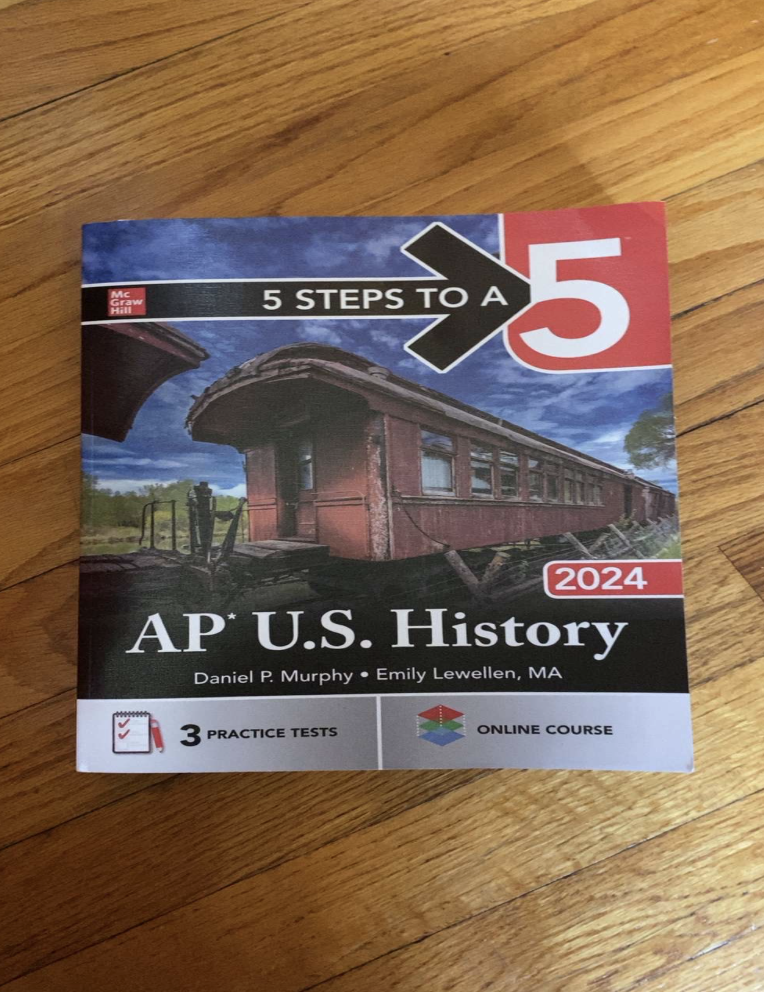
The AP United States History Exam is a college level assessment created by the College Board. It is designed to measure students’ understanding of U.S. history from pre-Columbian times to present times, as well as their ability to think critically about historical events and trends. The APUSH exam is usually taken by high school students enrolled in an Advanced Placement U.S. history course. Everyone always talks about the students and how they prepare for the exam, but the teacher’s perspective is much more complex.
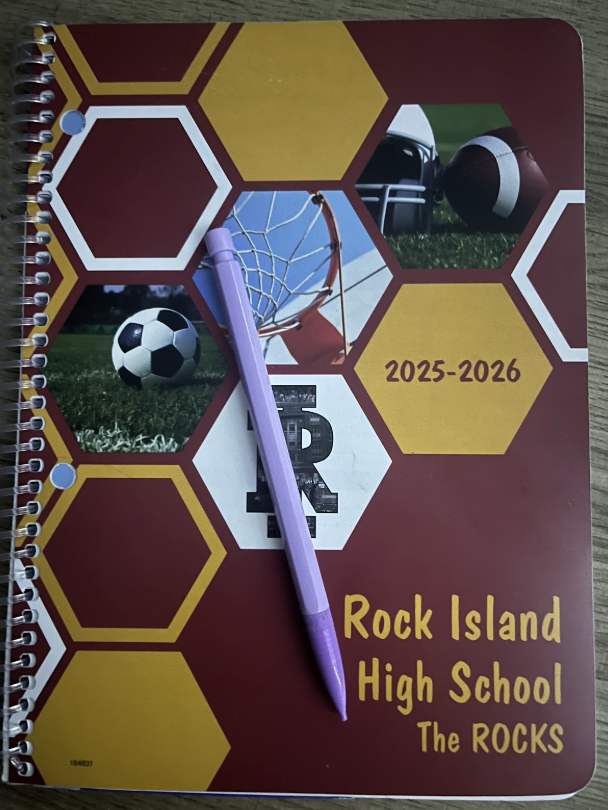
Miss Munday is a History teacher here at Rock Island High School. She teaches a regular History class and two AP History classes. How does she prepare her two AP History classes for the AP Exam? Ariya Henderson is a Sophomore at Rock Island High School. Ariya also has Miss.Munday as an APUSH teacher. This is her first ever year taking an AP Exam and seeing what it’s like to prepare and study for this College Board Exam.
Ariya plans to study for the AP exam by reviewing the materials Miss. Munday posted, taking notes on important topics, and reviewing them via flashcards. Ariya even stated, “My main study materials are my notes and Heimler history videos.” There are many resources given for studying and reviewing for the AP History exam.
For example, Miss. Munday is having her students make review games to keep it fun and interactive, regarding what the students have learned all year. Miss. Munday stated, “As we are nearing the AP exam, my students are creating review games to help each other study, and I am asking as many questions as I can to get them to a place of confidence.” When someone thinks of studying, they think it’s boring and won’t benefit them at all, so having something engaging for students to study will help them remember the material.
However, not everything comes easily. Ariya admitted that LEQs (Long Essay Questions) are the most challenging because timed writing can cause anxiety and make it harder to perform at their best. Ariya even stated, “I personally find the LEQs the most challenging because timed essays give me anxiety, and I end up not writing to my potential.” To improve, Ariya has been practicing DBQs and LEQs by reviewing causes and effects across historical periods and using rubrics to guide their writing.
According to the Miss Munday, students are introduced early to the idea that this is a college-level course, which basically entails a faster pace and more work. They learn how the exam works, including rubrics and question types, almost immediately. Throughout the year, the teacher focuses on different strategies like chunking information, annotating readings, and making connections across time periods.
When it comes to exam review, the teacher usually starts more focused preparation around spring break. Miss Munday explains that, “Students will begin reviewing thematic timelines and playing review games. The games that they create are played as a bell-ringer each day for around a month leading up to the exam.” Miss. Munday also provides extra resources for students to use outside of class.
Still, one of the biggest challenges, as they pointed out, is the sheer amount of content, from 1491 to the present. Which can feel overwhelming, especially for students who are not used to studying at this level.
Like many students, Ariya shares how she struggles with period 6, and how she plans to study for more tricky periods, stating, “I am studying alone, while confiding in a group of friends in my APUSH period to get more studying tips and to not feel so isolated in my studies. I am using structured notes that go over dates, timelines, important events, and key people.” Having a structured plan for studying, especially with friends can benefit a student because they won’t feel so isolated or getting other opinions.
When asked about common mistakes, Miss. Munday mentioned that time management is a major issue, along with not being familiar with the digital testing platform. Their advice is simple: trust your instincts, practice timing, and don’t waste time overthinking questions.
They also remind students that the test is meant to help them, not hurt them, which can ease some of the pressure. When Ariya was asked how she’s staying motivated for this particular exam she simply stated, “The idea that if I pass the AP exam I can get out of a history class in college motivates me to do well on the AP exam.” In the end, the AP exam won’t hurt a student’s physical grade, but it can expose students to what AP exams look like and have that chance to get college credit as a high school student.
In the end, both perspectives show that preparing for the APUSH exam is a shared process. Students are building study habits, managing stress, and working through difficult content, while teachers are providing structure, strategies, and constant support. It’s not just about memorizing history, it’s about learning how to think, write, and apply knowledge under pressure.